


Introducing the MyPrint® Assessment
Think about your first cell phone. What features did it have? What technology has remained consistent, and what has evolved over time? Would you prefer to be using that same technology today?
Just as our cell phones change over time, other things in our lives evolve as we grow in our abilities and develop as a society. Among those is our soft-skills assessment here at Talentobe!
mYti© to MyPrint®
If you have been a member of our Talentobe community, then you’ve probably experienced the mYti© assessment, our original personality and motivations questionnaire. If you visit our website today, you will see the latest innovation in Talentobe’s science, MyPrint®, our brand new soft skills assessment. MyPrint® still measures personality and motivations but in an even more accurate way than before!
Theoretical Background
The theoretical background of the MyPrint® assessment is based on long-standing theories of personality and motivations within the psychology community. The personality dimensions are based on the Five-Factor Model of personality, which is considered the standard in personality trait measurement across cultures and has been proven reliable by more than 40 years of research¹. Our motivation dimensions are derived from Maslow’s Hierarchy of Needs² and the Self Determination Theory³, both of which left a strong legacy in the definition and measurement of motivational factors⁴.
Our Dimensions
Think back to our cell phone analogy. Your first phone probably had a lot of the same features that your phone has today (such as texting and calling capabilities) but they might look a little bit different; for example, now most cell phones have the ability to voice text or video call.
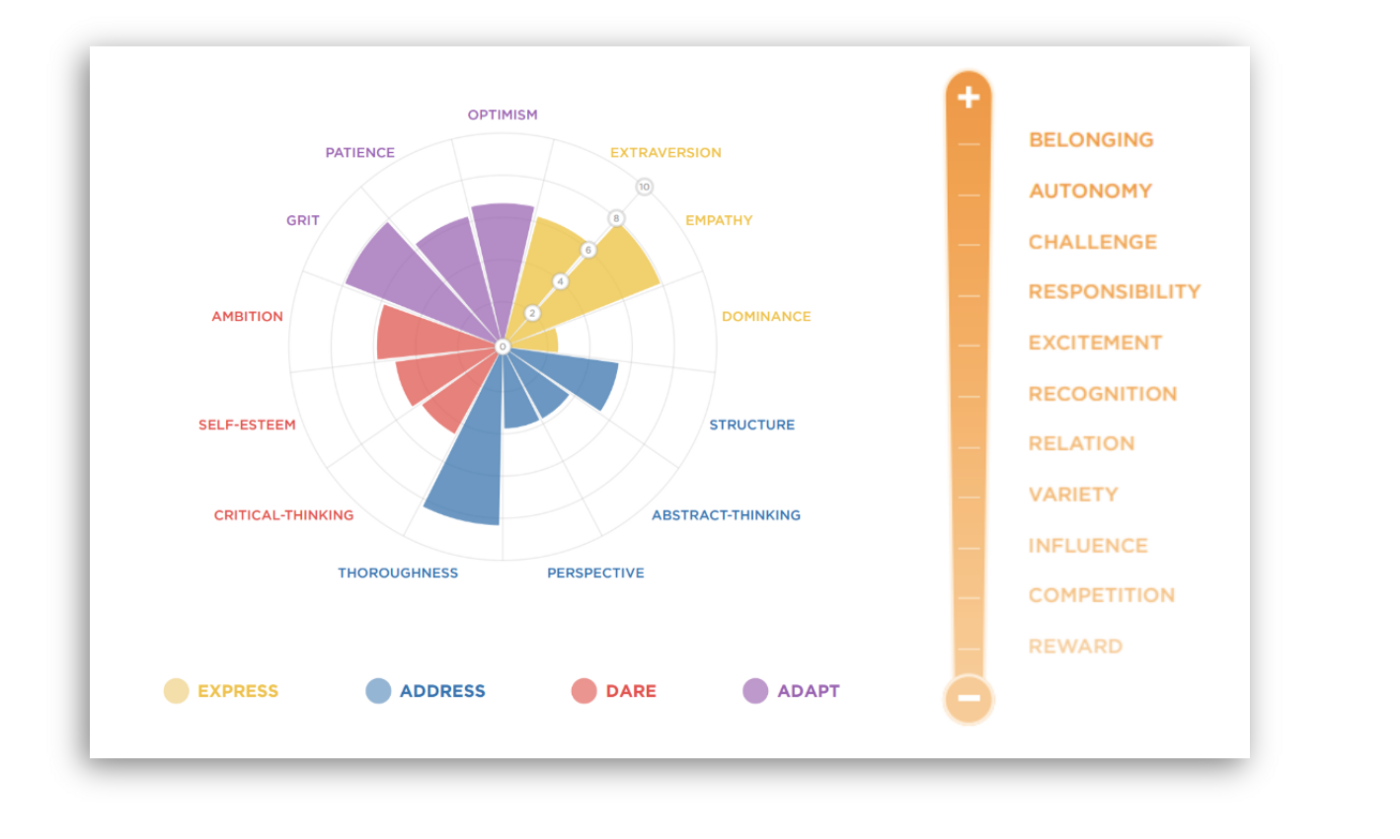
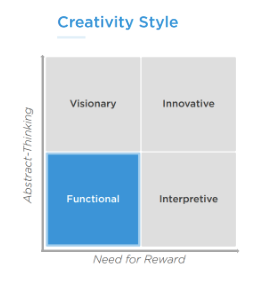
In the same way, the MyPrint® assessment has a lot of the same features as the mYti©. These features may look different, however. For example, we are still measuring personality and motivations and providing information about professional behaviors. Some of our scales have remained the same, such as Patience, and others are simply represented in a new way. For example, the Creativity scale is no longer a part of the personality radar, but it can still be found in our professional behaviors. With this change, we have been able to simplify our personality radar and motivation chart, without compromising member results.
Our Science
In addition to the scales and dimensions that we have updated, you might also notice that the questionnaire itself has changed. This is because we have updated the “behind the scenes” statistics and calculations for the assessment to use cutting edge technology, a lot like what happens when your phone receives a software update.
Just like the mYti© assessment, the MyPrint® uses “forced-choice” questions. This format provides two statements that are equally desirable, so it takes away what is called the Social Desirability Bias of trying to find the “right answer” to the questionnaire and gives the user the freedom to answer in the most truthful way possible.
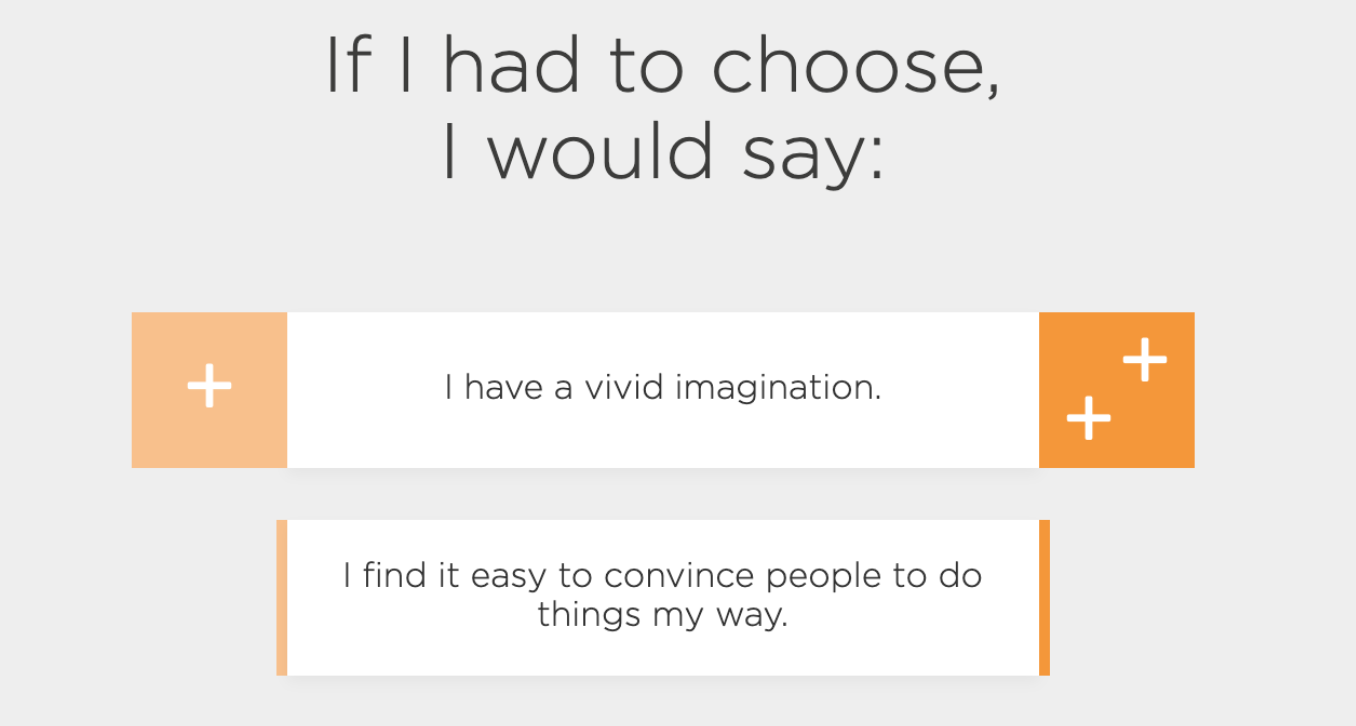
The MyPrint® questionnaire takes the forced-choice question format one step further to not only have the user choose the statement that fits them the best, but to indicate to which extent that statement better suits them. This concept is called “multidimensional binary forced-choice with graded preferences” — one of the most recent and useful innovations in psychometrics⁵. More importantly, this is how Talentobe is able to achieve greater accuracy through developing our new MyPrint soft-skills assessment.
Experience the MyPrint®
The best part about a new phone is getting to try it out and see all of the new features! Now that you know more about our updated product, try it for yourself! Visit www.talentoday.com and take the MyPrint® assessment. If you want to learn more about our science click here and download the MyPrint® Technical Manual!
If you’re interested in your own one page report, premium report or in learning more information about Talentobe, please visit www.talentoday.com or contact our experts at contact@talentobe.com.
¹ Barrick, M. R., & Mount, M. K. (1991). The Big Five personality dimensions and job performance: A meta-analysis. Personnel Psychology, 44(1), 1–26.
² Maslow, A. H. (1943). A theory of human motivation. Psychological Review, 50(4), 370‐396.
³ Deci, E. L. & Ryan, R. M. (2000). Self-determination theory and the facilitation of intrinsic motivation, social development, and well-being. American Psychologist, 55, 68–78.
⁴ Costa, P. T., & McCrae, R. R. (1985). The NEO Personality Inventory manual. Odessa, FL: Psychological Assessment Resources.
⁵ Brown, A., & Maydeu-Olivares, A. (2017): Ordinal Factor Analysis of Graded-Preference Questionnaire Data. Structural Equation Modeling: A Multidisciplinary Journal, 25(4), 516–529.

Employee Friendships in 2020
If you’re like me, you’re probably missing your work friends right now. Even if you’re not like me there’s still a pretty high chance of that! Millions of people around the world have been working from home amidst the COVID-19 pandemic, and working in pajamas has become the new normal… okay, maybe not everyone is in pajamas.
Even though we might not be seeing our work pals it is important to find ways to stay connected. A study by Gallup¹ found that workplace friendships are one of the strongest predictors of productivity. In addition, those who have strong work relationships are more engaged, produce higher-quality work, and have an overall higher state of well-being. That same study found that in order to have a thriving day we need at least six hours of social time. Sound impossible? It’s not as difficult as you might think.
The ‘New Normal’
With the ‘new normal’ in the workplace including remote work, social distancing procedures, alternating schedules, and other obstacles that make our social interactions more difficult to achieve, we need to be more intentional about our workplace friendships. These challenges are something that every company is learning to navigate, and it does not have to come at the expense of employee relationships and well-being.
A study done in New Zealand after a series of earthquakes forced many people to move into remote working found that the biggest area of concern to employees was the social cost². This included professional and personal isolation, limited team interaction, loss of visibility and development, and lack of face-to-face communication. Thankfully we live in an age where technology can be our friend and counteract a lot of these concerns!
Zoom, Zoom, Zoom!
Raise your hand if you have used Zoom in the past month. There have been between 200–300 million daily meeting participants on Zoom during the beginning months of COVID-19³. Birthday parties, happy hours, book clubs, classes, and business meetings are just a few of the many social gatherings that have turned virtual in 2020. Leveraging video conferencing can help bring employees together as well!
Do you normally eat lunch with your coworkers every day? Maybe pick one day each week to have a ‘virtual lunch’ with those that you’d normally (or not normally) eat with. Even a quick instant message to your work buddies to ask a question, or simply share what you’ve been binge watching on Netflix, can help add to that six hours of social time needed for a thriving day!
Working in a virtual environment also gives employees the opportunity to reach out to those that they would not normally have the opportunity to work with. Whether it is collaborating on a project with individuals in other offices or departments, or simply reaching out to colleagues to get to know them better, the virtual workplace gives everyone a chance to create new connections that aren’t determined by physical proximity.
MyPrint® for the Virtual Age
With virtual and remote teams being the new normal, it might take a little more creativity to bring your team together! Some fun events that we at Talentobe have done to stay connected are virtual happy hours, knowledge sharing sessions from different departments, and a MyPrint® ‘Guess Who’ game!
As new teammates are being onboarded into a virtual workplace, it can be difficult to get to know each other in the same way you would when meeting face-to-face. You can help to jumpstart these new workplace connections by leveraging a lot of the tools that the MyPrint® assessment provides! Sharing your dominant personality traits, learning how to motivate one another, or reading through your Collaboration Report together can help alleviate some of the pains that come with a virtual working relationship.
No matter what your new normal looks like, whether it is back in the office or in your pajamas at home, MyPrint® can help you and your team to continue to adapt and grow together!
Looking for additional resources and support? Email Talentobe at customer@talentobe.com to learn more about activities like the MyPrint ‘Guess Who’ game and other services!
References
¹ Rath, T. & Harter, J. (2010). Your friends and your social well-being.
Business Journal.
https://news.gallup.com/businessjournal/127043/friends-social-wellbeing.aspx
² Donnelly, N. & Proctor-Thomson, S. B. (2015). Disrupted work: Home-based teleworking (HbTW) in the aftermath of a natural disaster. New Technology, Work and Employment, 30(1), 47–61. https://doi.org/10.1111/ntwe.12040
³ Iqbal, Mansoor (2020). “Zoom Revenue and Usage Statistics (2020).” Business of Apps, www.businessofapps.com/data/zoom-statistics/.
Prioritizing Well-being with Psychometrics
Circa 2019, well-being and soft skills were hot topics of discussion around personal growth and internal fulfillment. However, as we moved into 2020, individuals had new norms to navigate, from social isolation, economic stress, and round-the-clock news coverage for the COVID-19 pandemic. Anytime someone goes through a change, it’s not uncommon for anxiety and stress to increase, and this pandemic is no exception. Based on a study completed by Inpulse, featured in Four Ways Leaders Can Support Anxious And Lonely Teams¹, in mid-April 2020, research found that 65% of employees have felt nervous, anxious or on edge, and 43% have not been able to stop or control worrying. Further, pre-COVID19 pandemic, it was found that people with depression have a 40% higher risk of developing cardiovascular and metabolic diseases than the general population, and globally, depression is the leading cause for disability². For individuals, the ability to identify depression, anxiety or stress plays a critical role in managing their well-being. Luckily, individuals aren’t alone in this, as psychometrics and technology are here to help!
Understanding yourself
Simply put, your well-being is the level at which you feel comfortable, happy and healthy³. The tricky thing about well-being is there’s often more than meets the eye. As humans, everyone is unique in how they interpret their anxiety (or stress), and they’re unique in how they make time — assuming they do — to address their mental and physical health challenges. For many, it’s often easy to prioritize work, family and other responsibilities over one’s own well-being, but that doesn’t make it a healthy or sustainable practice. With the use of technology, companies like HealthPersonas and Talentobe are leveraging psychometrics to uncover the obstacles a person is dealing with and empower them with their soft skill strengths. In both cases, the overall goal is to help individuals increase their level of self-fulfillment, and ultimately their well-being.
Prioritizing your well-being
Now more than ever, psychometrics have the ability to positively impact us and those around us. Even for the most selfless people, taking care of those around you means taking care of yourself first. We are all aware being healthy is more than just physical. HealthPersonas measures and improves emotional and behavioral health, the way we feel and think, taking a well-being approach to healthcare and unlocking personalized results along the way. A key component of HealthPersonas success is their KnowMe™ assessment, which was developed in partnership with Talentobe. KnowMe™ offers a fun user experience that allows individuals to quickly identify what makes us unique and how to best seek health and happiness. To complement the KnowMe™ findings, HealthPersonas offers an engaging mobile experience by providing emotional health support with both chat and video-based expert coaching.

HealthPersonas founder, Alex Bitoun, has worked in healthcare delivering chronic care programs to self-funded employers and health plans for the past 15 years. Alex notes, “Emotional health is a key component to overall health, and is too often ignored in the current care paths. By focusing our efforts on how our members feel, we not only improve their well-being, but we are unlocking clinical results that had eluded them in the past.”
Lean into your uniqueness
Just like each person is unique in how they interpret and respond to adversity, everyone is unique in their personality and motivations. When faced with a challenge, we may see how our personality traits and motivations work together to either lift us up, or potentially bring us down. Although there’s a number of things that we can’t control, through understanding our dominant personality traits and motivations, we can make the choice to create a comfortable environment that corresponds to our needs and increases our overall well-being. Through Talentobe’s soft skill assessment, MyPrint®, we leverage psychometrics to empower individuals to understand not only what their dominant personality and motivation traits are, but we also provide guidance on what environments (or actions) will allow them to hone in on their strengths and fulfill their needs. Through having these personalized insights at your fingertips, you can make incremental changes in your daily routine, work style or relationships, to increase your sense of self-fulfillment and even share results with those that you collaborate with most often for additional support.
Expanding your reach
With about half of employees feeling some form of anxiety, worry or sadness, odds are someone close to you is battling some degree of discomfort during this time. With social isolation changing how we interact with people, from limited (or no) in-person conversations to hugging our family, individuals have been relying on technology to create a sense of connection. As a number of people leverage FaceTime, Zoom and other communication platforms, psychometrics-based technology opens the door for a new type of collaboration. Whether it’s sharing your insights with those around you, encouraging them to do the same, or utilizing virtual health services (like those offered by HealthPersonas) you’re empowering the people close to you by removing stigmas associated with well-being and mental health support, while providing them tangible solutions. Similar to how you have to prioritize your own well-being to achieve the positive impact of these digital solutions, you have to encourage those close to you to do the same.
The concept of well-being, seemingly simple when you break it down to its most basic parts — happiness, health and comfort — is anything but simple when you think of the uniqueness and complexities of each individual. Luckily, both the technology and psychometrics used are equally as complex behind the scenes, while providing easy to understand solutions to the end user. For individuals ready to prioritize themselves, even if it’s just for an hour a day, you can get started by taking both the KnowMe™ and MyPrint® assessments. Both assessments can be completed totally free of charge and will give you access to your individual insights, enabling you to put your well-being front of mind.
Looking for additional resources and support for mental health? See National Alliance on Mental Health (https://www.nami.org/home) and Mental Health Foundation (https://www.mentalhealth.org.uk/).
For more information on Talentobe visit our company website or you can reach out to us directly at contact@talentobe.com.
Boost Your Profile with MyPrint®
You just completed your MyPrint® assessment, you recognize your strengths and reviewed your personality radar — now what? Luckily for the Talentobe community, there are unique ways to use your MyPrint® results to boost your profile for potential employers, within your network, and possibly to foster internal mobility. In The Hard Truth about Soft Skills¹, David Lambert, the president of Pinnacle Placements, sheds light around the importance of soft skills in hiring, saying “Hard skills will get you the interview — soft skills will get you the job.” To help Talentobe’s community land the job and achieve their career goals, we’re here to provide additional insight on using your MyPrint® assessment results to enhance your resume and boost your LinkedIn profile.
Validate Your Soft Skills with Talentobe
When updating your LinkedIn, creating your resume, or even during a job interview, it’s easy to speak to your soft skills, such as being “detail oriented” and “determined.” However, for recruiters and hiring managers, the ability to validate this before making a hiring decision isn’t foolproof. With MyPrint®, you’re able to change the way you present yourself by backing your soft skills with science. At Talentobe, when developing the MyPrint® assessment, our team of experts utilized premier industry practices, such as IRT scoring (formally known as item response theory scoring) to test and enhance the assessments validity, and also gained an accreditation from the American Psychological Association (APA) to establish credibility and ensure our assessment provides meaningful, scientifically-grounded, results.
Supercharge Your Resume with Soft Skills and Professional Behaviors
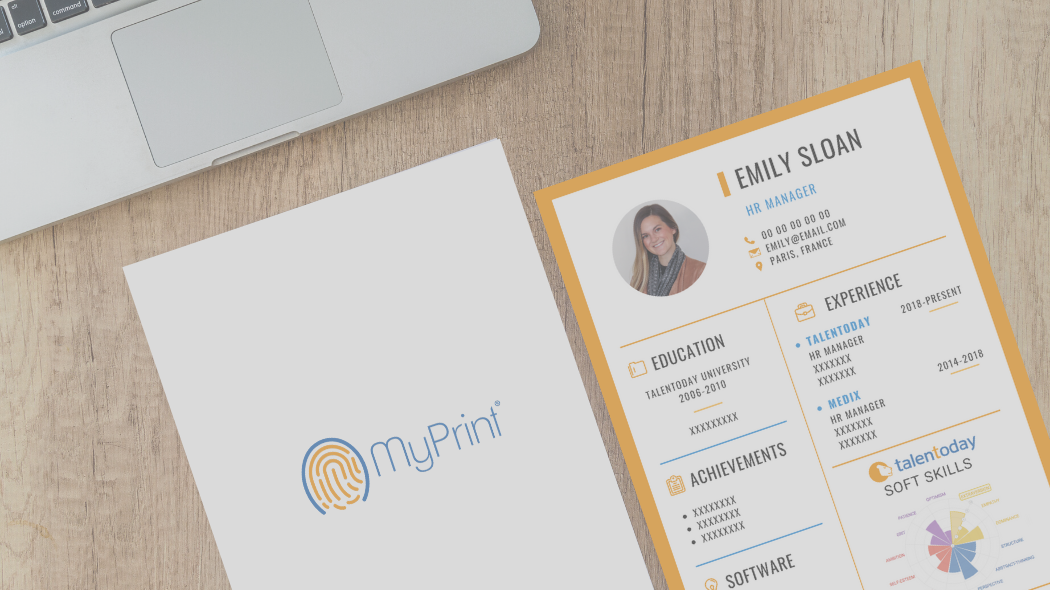
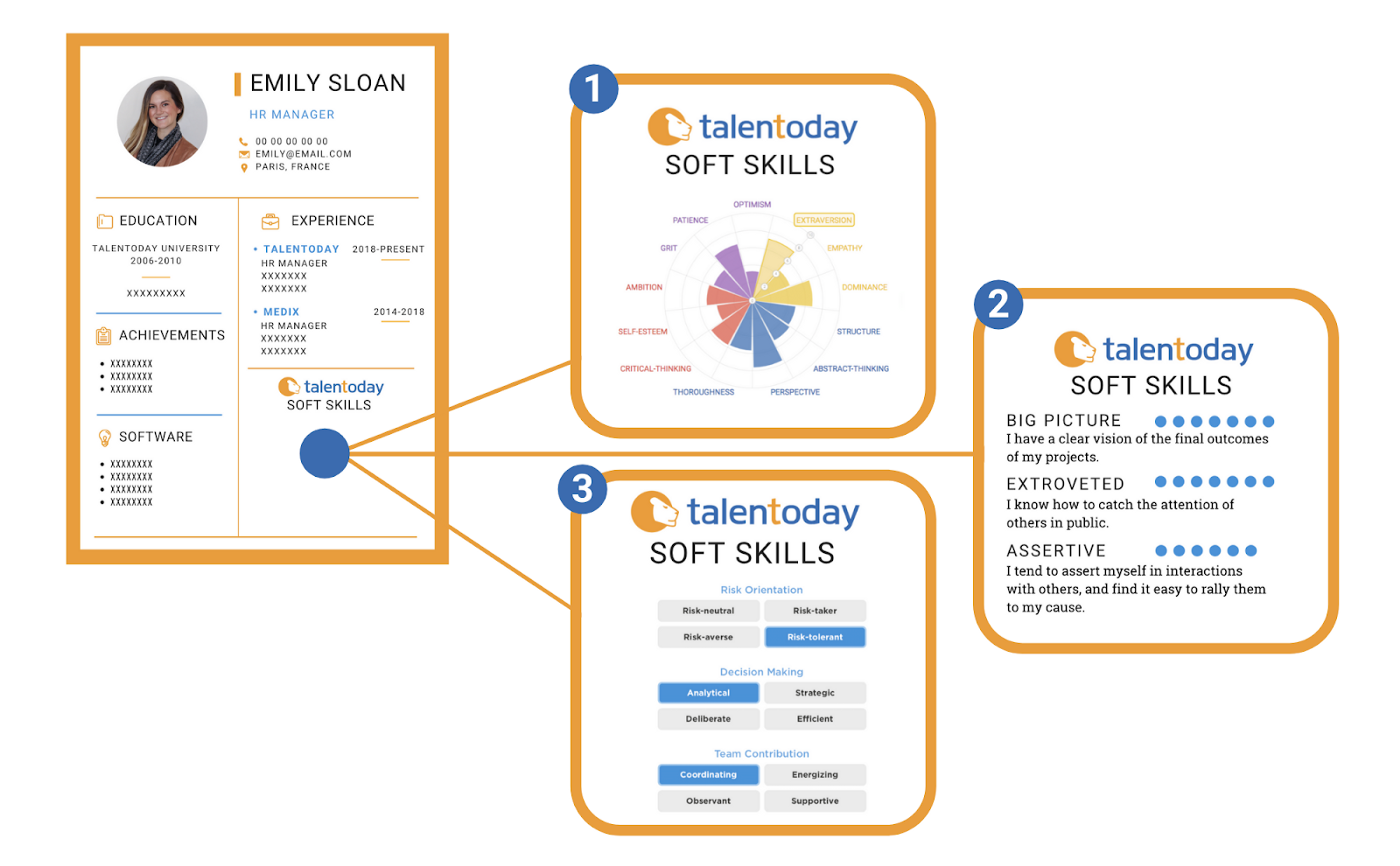
When creating your resume, there are a number of ways that can utilize MyPrint® to show your strengths. To do so, we suggest that you add a Talentobe specific soft skills section to your resume. Additionally, you also have the option to download and provide recruiters, and/or hiring managers, with your full one-page report.
For examples on how to use MyPrint® to enhance your resume, see the below examples:
- From the Profile section of the Talentobe app, take a snapshot of your personality radar and include it in your resume.
- From the one-page report, list our top three personality traits and provide the ranking visually from your percentage on the personality criteria pole. You can go one step further by including a brief description of what this trait means, based on the description in the one-page report.
- From the one-page report, insert a snapshot of your top three professional behaviors exhibited.
Showcase Your Uniqueness on LinkedIn
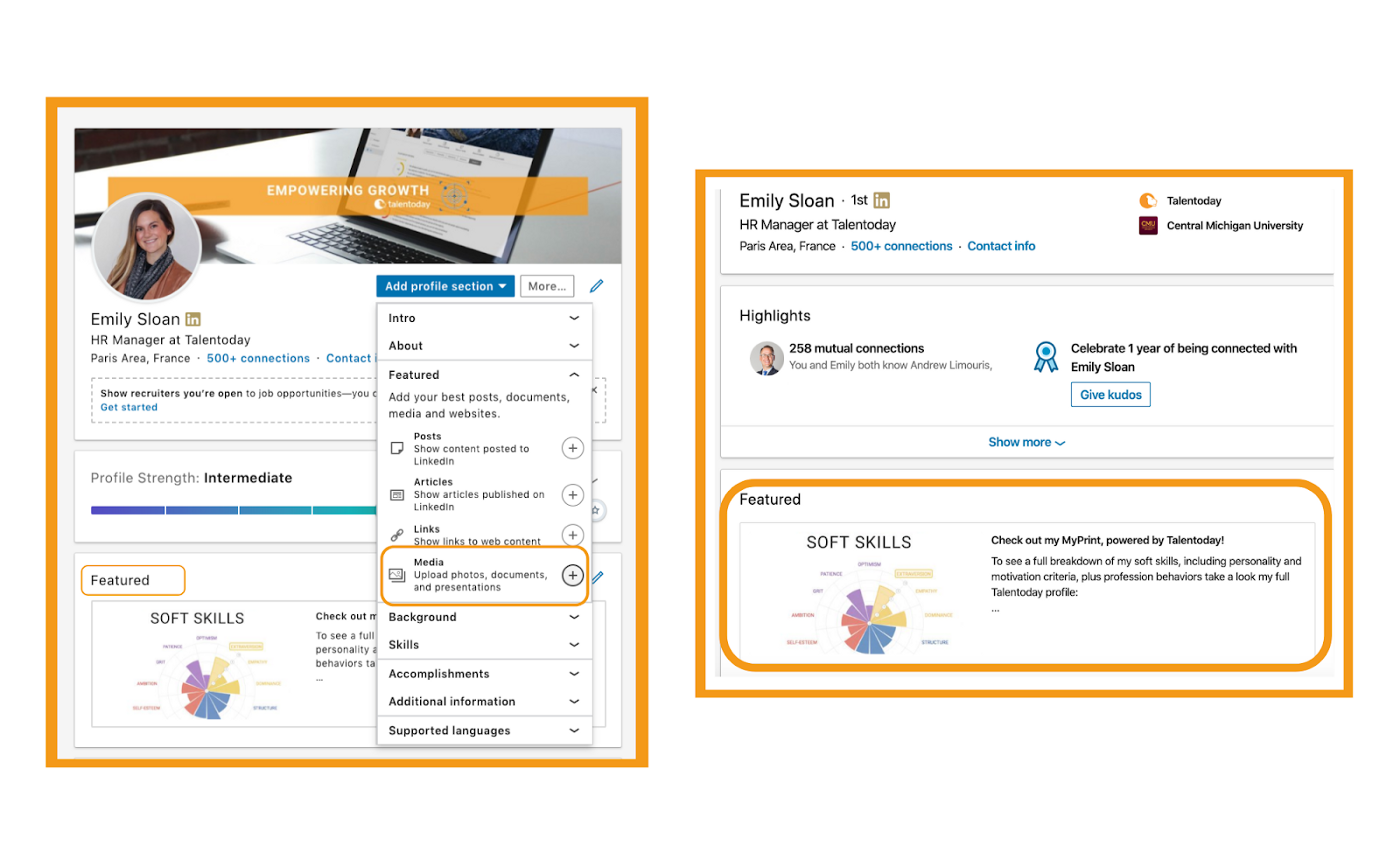
With nearly 675 million members on LinkedIn², Talentobe can be used as a tool to make your profile unique and provide further insights into who you are. To add your MyPrint® profile, or your one-page report, you can use the “Feature” section of LinkedIn to add an image, or PDF, with a brief description (as seen in the images below). We suggest adding a snapshot of your personality radar or the full one-page report. In the Feature’s description section, you also have the ability to add the full URL link to your Talentobe member profile.
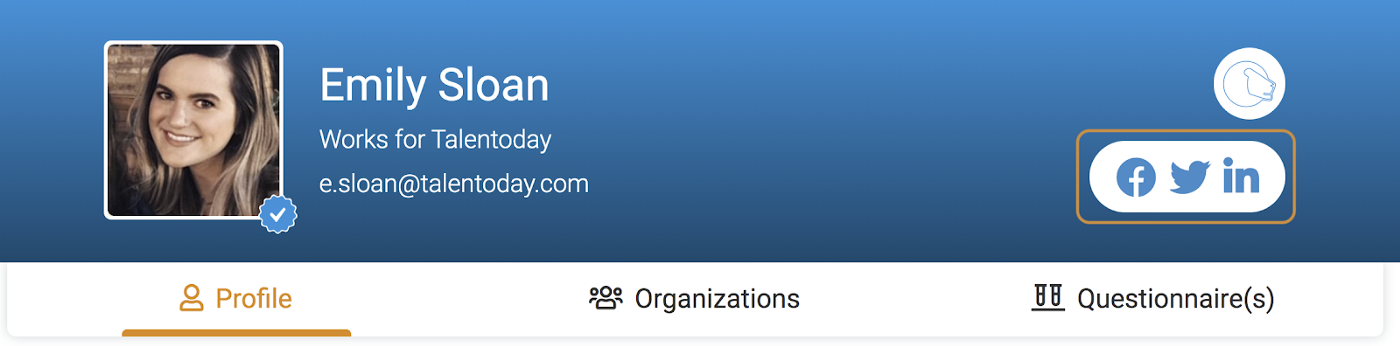
Through Talentobe’s application directly, you also have the ability to post your Talentobe profile to your feed on LinkedIn (as well as Facebook and Twitter), by clicking the appropriate social icon as found in the upper right side of your Profile page:
Now that you have the right tools to share your soft-skill insights in a more meaningful way, take another look at your profile and the one-page report. Of the results provided, and our recommendations on how to share your results, pick items that best highlight your professional strengths and allow you to present yourself to potential employers, or just generally within your network, in a unique way that is tailored to you.
Haven’t taken the MyPrint® assessment yet? Set aside 25 minutes, in a non-distracting space, and click “Take the free test” on our company website (www.talentoday.com) to begin.
For more information about our science and product, visit our company website or you can reach out to us directly at contact@talentobe.com.
Sources:
- Mark Tarallo, 2019, The Hard Truth About Soft Skills, Society for Human Resource Management (SHRM)
- “About LinkedIn,” LinkedIn Newsroom, https://news.linkedin.com/about-us#statistics
Are Remote Workforces Shaping a “New Normal”?
At times like this, it can be difficult to see the light at the end of the tunnel, as our personal and professional lives are sent in disarray as we cancel, adjust and adapt. It is important to remember during this difficult and complicated time that we WILL get past all of this, and things will go back to normal. But what exactly does normal mean? Of the adaptations we make in business and at home over the course of time to come, what residual long-term impacts will this have on how we communicate, perceive, socialize and work?
To gain insights on the latter, we spoke with an expert in the world of work, Andrew Limouris, the global CEO of Talentobe and CEO of Medix, a staffing company based out of Chicago, for his opinions on how the paradigm of work might shift.
What immediate impacts have you seen from your purview in staffing on how organizational operations have adjusted at this time?
“Obviously with the early warnings of an imminent social isolation order, the very first shift we noticed was internal meeting cadence and structure. People became more conservative and concise in conversations, and organizations scrutinized which meetings were truly necessary face-to-face versus over email. Then came the shift to entirely remote workforces. Organizations needed to entrust their teammates to carry out their duties in remote settings, therefore adjusting communication and in some cases accountability measures. Individuals needed to self-discipline and set up their day to achieve success in sometimes distracting environments. Technological accommodations had to be made on organizational levels. And organizations clamored to figure out how to keep team culture alive and remove collaborative barriers that could be achieved through technology now that physical barriers were imposed. The key for everything has been understanding: understanding who your people are- both their hard AND soft skills, understanding who your managers are, understanding the environments that make them successful, and understanding their viewpoints and perspectives.”
What external impacts has that had on organizations, especially those like yours in the services industry?
“For Medix, we serve two different groups of ‘clients’: the talent we place and the companies we place them at. For interviewing talent, it is our literal job to ensure we understand who they are, their aspirations, their motivations, their strengths and weaknesses, to place them in environments and opportunities they will thrive in. Shifting to complete online interviewing adds just one more layer to chip through in getting to truly know someone. On a company/client group level, with all meetings being switched to virtual, organizations find it that much more imperative to understand goals and intentions as early as possible in a conversation in order to maximize the impact of virtual meetings that tend to have enough distraction and mental interruption as is. It isn’t insurmountable, but it has been a challenge.”
What have been the positive ramifications of these changes?
“I believe organizations are finding new efficiencies that might not have existed before. Our communication has become more concise, and by virtue, oftentimes more powerful. One beautiful thing that has emerged in organizations is trust. Companies are setting up the accountability infrastructure for truly efficient and empowered teams. Employees tend to appreciate this autonomy, which can reap benefits in increased engagement and psychological safety with their places of work.”
What are some of the challenges?
“Operationally speaking, it is already intensely difficult to source, screen, hire, onboard, motivate, engage and grow effective teams. If it was easy, companies like Medix or Talentobe wouldn’t exist. The only way to do this effectively, as I mentioned, is to have a deep, robust understanding of who a person intrinsically is- not just what’s on their resume. Not just what they tell you in annual reviews. Adding a veil of technology only intensifies those challenges. My biggest fear regarding remote work is and always has been the impact it could have on our culture. Maintaining team collaboration and a cohesive vision in a remote environment is tough.”
What are your thoughts on the long-term impacts and how to handle them?
“It’s most organizations’ goal to achieve operational and financial efficiencies, so as companies spend the months ahead figuring out how to maximize their teams’ time and energy, I would not be surprised to see less lengthy meetings in boardrooms in the future, and many more flexible work programs surface. If they prove to be effective operationally, as well as motivating or incentivizing to employees, I would expect employers who might have been adverse to them in the past experimenting with implementing more widespread remote offerings to teammates. The caveat is going to be to continue to balance those efficiencies and benefits with the costs and risks I mentioned. What can be achieved through technical skills can sometimes be interrupted with soft-skills incongruencies due to environment and work styles, and aligning individuals with roles, teams and cultures that don’t need physical presence to be effective will be increasingly important.”
With still uncertain times on the horizon, one thing that is certain is that for employers and citizens at large, we will want to spend this time deepening our understanding of our companies, our teams, our social circles and ourselves, in order to best adapt to the potentially long-term or in some cases even permanent aftermath to our workstyles and lifestyles in general.
If you’re interested in learning more information about Talentobe, please visit www.talentoday.com or contact our experts at contact@talentobe.com.
Use MyPrint® to Engage Your Remote Workforce
In the early months of 2020, HR professionals and managers have been faced with the biggest unilateral shakeup that doesn’t discriminate against industry or country borders, the COVID19 global pandemic. Workplaces with previously strict or conservative remote work policies may find themselves in a non-negotiable situation as “social distancing” is the new norm; that of course, is if you’re lucky enough to work in an industry or position that allows you the ability to work from home. While some may find themselves out of work, others are on the frontline of the pandemic, such as medical staff and grocery store workers. For managers creating an office at home, it poses the question: how do I be present and engage my team virtually?
At Talentobe, we have a passion for unlocking the keys to employee engagement, management and teamwork, which is the driving force behind our MyPrint® assessment. Through our assessment, coupled with our web application, we offer digital solutions to managers for effectively engaging their team. While our assessment wasn’t originally designed to provide instructions for remote team management through soft skills, we’ve been able to identify the direct correlation between results and how to put this knowledge to use in a remote work setting. The below is a step-by-step guide, with advice, on how to leverage assessment results for your remote team.
Step 1: Have your team spend 20–30 minutes completing the MyPrint® assessment.
Immediately after completing the assessment, they’ll have access to their personality radar, motivations and professional behaviors. While some of your team may additionally be experiencing a period of self-isolation, or having limited social exposure, this allows for dedicated time for a bit of self-care and self-reflection, by allowing them to take a deep look into their strengths (or potentially some areas they could seek additional training during this remote period).
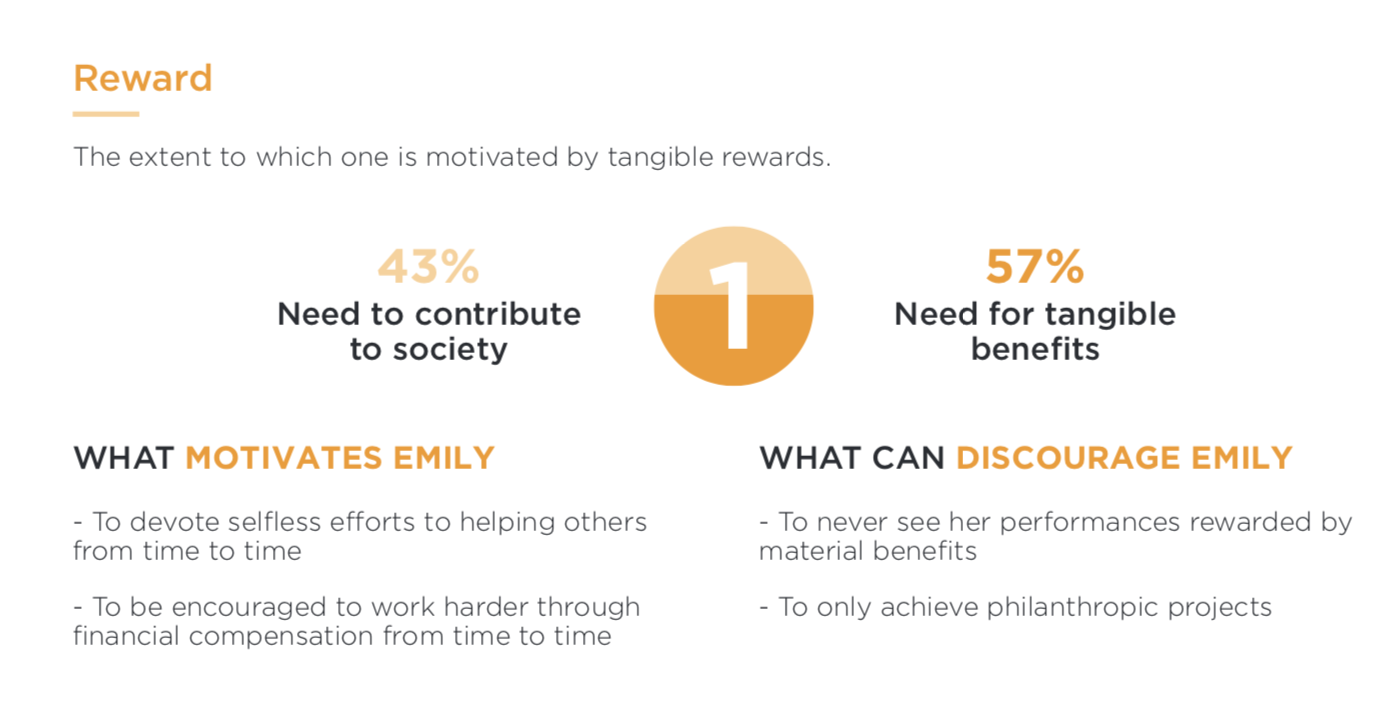
Step 2: Look at the unique motivations across your team and figure out what motivates, and discourages, your team.
Working from home, coupled with isolation, some may experience a lag in productivity and engagement. As a manager, this allows you the opportunity to step in and rally for success. Within the motivation poles, managers are given tailored guidance based on individual results for what motivates an employee, as well as insight on what can discourage them. See below for an example:
Step 3: Start tailoring motivation to individual results and empower an engaged remote workforce.
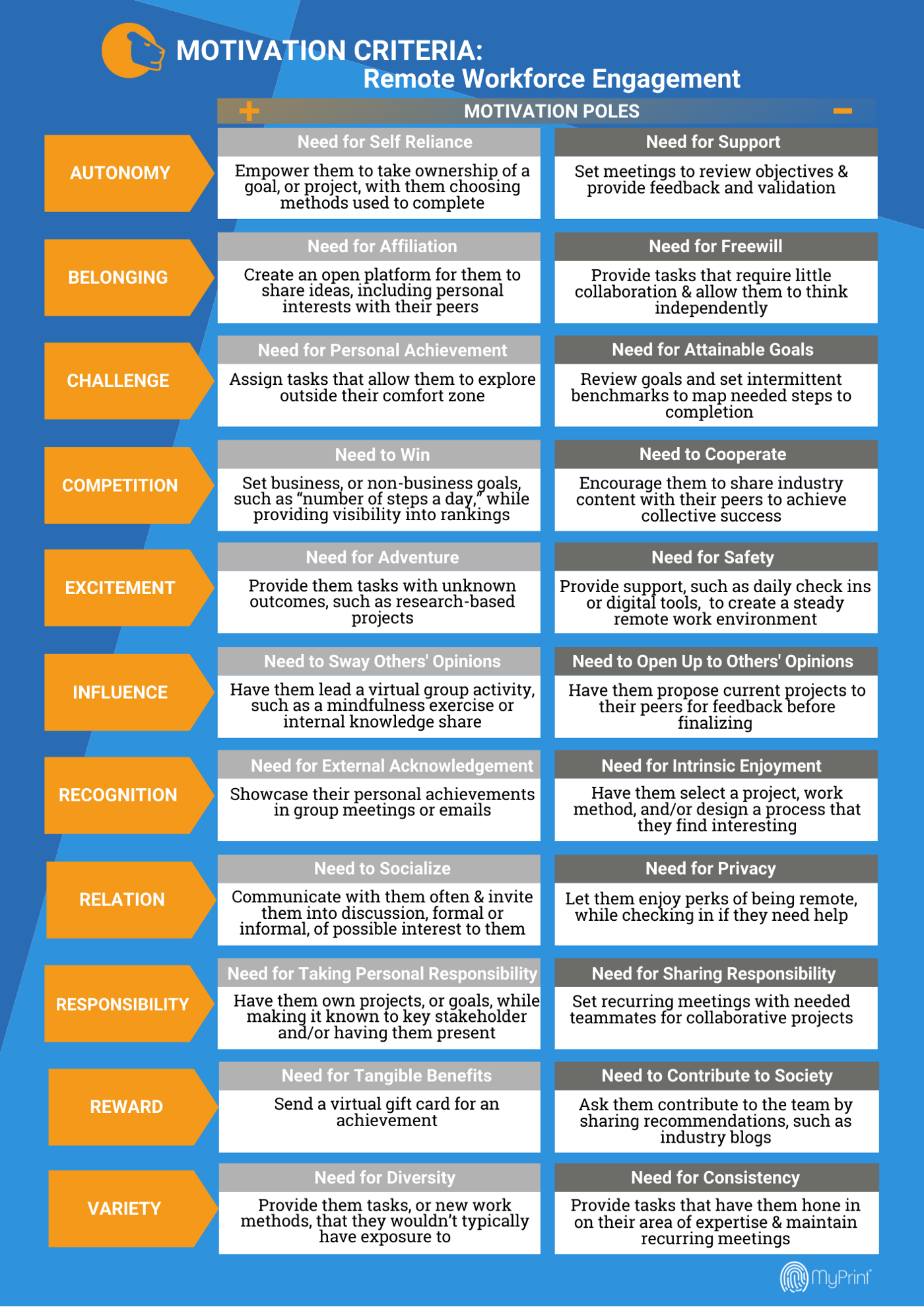
After taking a look at your teams’ results, you’ll notice that there are 11 motivation categories, with two different criteria for each motivation. We refer to these criteria as either the “positive side,” at the high end of the pole, and the other as the “negative side,” with it being on the lowest end of the pole.
In the below graphic, you’ll see engagement examples that align to both the “positive” and “negative” sides of the poles to help tailor motivations to individuals on your team.
Long after the COVID19 pandemic is behind us, Talentobe will still continue to provide quality solutions that help professionals make empowered decisions through data analytics. To keep building on the momentum sparked through remote work engagement, our solution offers additional features and insights; whether it’s learning how to best collaborate with another individual or asking more meaningful interview questions tailored to their MyPrint® results, we look forward to continuing to serve our global community and provide purpose during this time of uncertainty.
Ready to take the MyPrint® assessment? Set aside 25 minutes, in a non-distracting space, and click “Take the free test” on Talentobe’s website (www.talentoday.com).
For more information on Talentobe and how to utilize our reports and features, reach out to us directly at customer@talentobe.com for both existing and prospective customers. For more information about our science and product, visit our company website.
Unique Results You Can Actually Use
It is human nature to be curious. That is why we hear children ask “why?” over and over again or take the online social media quizzes knowing that there is no validity in their results, but we are simply curious as to what TV character they might say we are or what movie our personality is most like.
When it comes to our personalities and soft skills, the right tools will allow you to leverage technology in order to capture, represent and report our human elements that make us unique in a simple way. That is exactly what Talentobe’s One Page and Premium Reports do!
Whether you are interested in learning more about yourself or thinking about using these reports to manage your team, let’s spend a couple minutes together learning about these two reports.
A Quick Review
After completing the MyPrintⓇ questionnaire, your results will be visualized into reports as a one-page or premium report. There are a total of 26 possible personality traits, 22 motivations and 44 possible behavioral types that will make up your unique results. Just think about the possibilities!
Three high-level definitions to keep in mind before we dive into the reports:
- Personality traits are used to describe the attitude and emotional characteristics of an individual
- Motivators are the reasons an individual acts or behaves in a particular way
- Behaviors help us understand how an individual acts or conducts themselves towards others
One Page Report
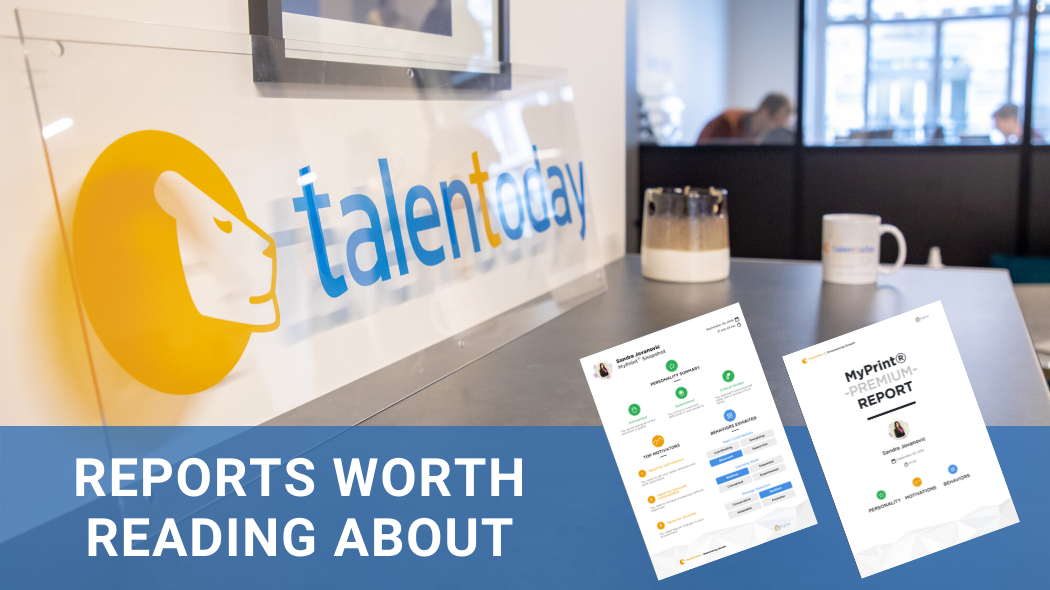
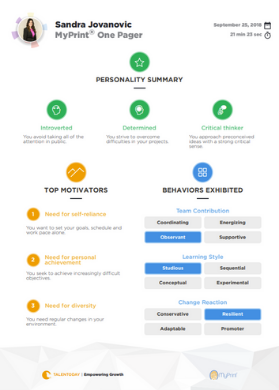
If your time is valuable and you want to understand the most pertinent information in a summarized format, then the one page report will be your best friend. This report is separated into three segments, including a personality summary, top motivators and behaviors exhibited. Essentially, it highlights the need-to-know information about your soft skills in each of the three areas and identifies the traits that make you, you!
The personality summary section displays the top three most distinct personality traits an individual possesses based on what Talentobe measures in our questionnaire. The top motivators section displays the top three most distinct motivators for an individual. Lastly, the behaviors exhibited section displays the three predominant behavioral styles of an individual.
Premium Report
Now don’t worry, because we know comprehensive detail can’t be summarized in one page. So for all you that love to dig into the details, our premium report is perfect for you. This report contains over 30 pages of detailed information about every single personality and motivation trait, as well as your behavioral styles. In addition to the granular details, we see well summarized personality and motivation trait visuals with our easy-to-read personality radar and motivations scale.
The premium report not only provides you with the results and descriptions of your results, but also gives you recommendations on how to use those results. As we dig in to each personality trait, you will find additional tips to review. For motivators, we will not only understand what motivates the individual, but also what can discourage that person. In each behavioral style, we can understand the description of the style, assets, and questions to ask ourselves or the individual whose report we may be reviewing to dig into the behavior further.
Interested in what your personality, motivations and behaviors are but haven’t had a chance to experience MyPrintⓇ Of course, we would be too! Contact one of our Talentobe experts at contact@talentobe.com to experience the questionnaire and view your one page report as soon as you answer the last question. We can’t wait to hear what you think.
Stay tuned for more exciting product news! We know that 2020 is going to be ROARing!
If you’re interested in learning more information about Talentobe, please visit www.talentoday.com or contact our experts at contact@talentobe.com.
The ROARing Twenties at Talentobe
To be honest, at Talentobe, the new hire experience means entering into a workplace of organized chaos. As many rapidly growing companies can relate to, having a world-class employee experience means that you’re in a balancing act between fostering employee development and driving business results. For Talentobe, we didn’t do it without some help. Following Talentobe’s acquisition by Medix in late 2018, the team adopted a new ambition for achieving results as a double bottom line company, meaning that we focus on both our profit and purpose.
Why do we do what we do?
Early in 2019, the team sat down and asked one simple question, “Why do we do what we do?,” to better understand the purpose of why we really come to work everyday. On an individual level, the Talentobe team is home for industry experts, ranging from software development, to cognitive science and operations, but being a double bottom line company means getting to the unified core of why each person has decided to put their passion into Talentobe. On its surface, the question posed a number of answers from “to provide the best psychometric assessment” to “having the best user experience”, but getting to the true core — our core purpose — it came down to the single idea of “empowering growth.” For our team, we come to work each day to empower the growth of the clients and members that we serve, but also to empower the growth of each other by putting our core purpose at the forefront of our employee experience.
Rally for Success
Working on the Talentobe team, each person is given the freedom to contribute to cross-departmental goals. It may seem out of character for a developer to be updated with sales objectives, but at the end of the day, our goals are connected. Meaning, all people are given visibility into company-wide goals and can contribute by making connections or sharing past experiences, thus winning as a team.
With our departments being highly specialized, creating a proper outlet hasn’t always been easy, but we’ve been able to make strides by offering an open platform through company meetings and communications, while providing an open invitation for feedback. Our team’s contributions are without a doubt how we achieve success, but following those contributions with recognition is key.
Recognition creates space to reflect on how we achieved success while celebrating the wins. It’s important to note that recognition can come in many forms, such as a ROAR (statement of recognition) or a cruise down the Seine, but no matter the size of the success — or the size of the recognition — it’s important to stop and celebrate.
The Only Constant is Change
By the time this article is published, it would be no surprise if within our team, or product, something has changed, but that doesn’t scare us. Change means that we’re striving towards our goals. Product development doesn’t stop, client needs change, and technology improves, so it’s safe to assume that employee needs are evolving in sync. Adopting an idea of constant change has allowed us to take a holistic approach to our employee experience. Remember the balancing act metaphor at the beginning? At Talentobe, our employee experience is a combination of industry best practices, business needs, and real employee feedback, with the goal of fulfilling our core purpose and ultimately people choosing the Talentobe team as their employer of choice.
To date, we’re not far into 2020 and it’s been a busy year for Talentobe — while some may call it ROARing! With a beautiful new office and growing team, we look forward to keeping our chaos organized, employees engaged, and product innovative as we take on the new year.
If you’re looking for more information on joining the Talentobe team, contact our HR department at recruitment@talentobe.com and or visit our Welcome to the Jungle page for current openings!
Employee Recognition to Turn the Holidays into the Season of Company Culture and Commitment
The holiday season can stir up a whirlwind of emotions inside and outside of work — from happy to excited, and for some, stressful. During the holidays, companies and teams may celebrate with special parties and events, but offices can also become ghost towns, with many employees taking additional time off. Adversely for some industries, the holiday season may be their busiest time of year.
Through the high points and low points of the holiday season, what can managers do to keep their employees motivated, while enhancing their commitment to the organization in the new year?
Make it Personal
Some organizations may have the luxury of being able to provide company-wide holiday presents and/or year-end bonuses, which can help with the overall sense fulfillment for employees. However, many companies do not have this option, or they feel like company-wide gifts may seem impersonal.
According to Great Place to Work, “It is key that employers focus on how they can make authentic and meaningful recognition part of their management philosophy in order to retain top talent and encourage high performance.” For managers, knowing that a need for unique recognition is important, the holiday season creates an opportunity to motivate employees on an individual basis to end the year strong!
Recognition Without Breaking the Bank
As can be seen by Talentobe’s assessment, individuals’ motivations are unique. While some people are heavily motivated by money, others may be more motivated by external recognition, or the ability to socialize.
To recognize individuals on your team, it could be as simple as writing an email or handwritten note, highlighting accomplishments throughout the year. Additionally, during the holiday season, employees may have the burden of hectic travel or spending their holidays away from their loved ones. For those teammates, consider giving them snacks for the road, a good book, or recommending a podcast to pass the time. For employees that will be spending time away from family and friends and missing their hometown, consider specific items that would remind them of home, such as candies, drinks, sports memorabilia or photos. Lastly, for employees who spend much of their year traveling for work, this is a great opportunity to provide a gift than can be shared with their family, such as a gift basket or a gift card for a meal together.
Establish Employee Commitment
Unfortunately for some organizations, the phrase, “new year, new me,” can often signal individuals looking to start a new job in the new year. Similarly, the start of the new year often means that new company budgets are established or replenished, allowing organizations to actively recruit.
Knowing this, the holiday season is a great time to ensure and re-establish commitment to the organization. Outside of recognizing individual achievements and rewarding employees on a more personal level, organizations can use this time to come together and reflect on the past year and provide transparency on goals for the upcoming year. Furthermore, outside of company-wide meetings, managers should be frequently engage employees by, “creating a respectful and trusting relationship with their direct reports, communicating company values and setting expectations for the day-to-day business of the organization,” as they play a key role in overall employee engagement.
As organizations are wrapping up their year-end initiatives and gearing up for 2020, it’s never too late to think of unique ways to serve and recognize the people giving back to the company on a daily basis. Whether a company is small or large, personalized actions or recognition can go a long way and can be done with little to no budget, allowing all employers a fair chance to motivate their teams this holiday season!

Knowledge Transmission and Engaging Expert Collaborators
In a global economy facing constant competition and ever-increasing challenges, companies must ensure the transmission of knowledge and know-how internally in order to move forward and progress. Knowledge management and internal knowledge sharing are crucial for companies to maintain critical skills.
Obstacles linked to human collaboration
Nowadays, the difficulty lies in the ability of organizations to stimulate a dynamic exchange of knowledge, while leveraging employee engagement. Due to a lack of self-confidence, demotivation or simply a lack of recognition from existing employee skills, employees are not always willing to cooperate and share their expertise. Management and managers will need to put in place incentives and develop a culture of recognition to improve knowledge transfer. It is necessary to set up a management system based on trust, a strategic lever in service of performance, for which the organizations HR or L&D leaders would be accountable for managing (1).
Multiple benefits for your company and your employees
The benefits for companies are plural. Knowledge management and transmission have a direct impact on financial gains and cost reduction through: expertise control, speed of task execution, productivity increase, error alleviation, risk management control, and time management for innovation. In fact, employees have increased motivation when they feel that they are acquiring skills quickly and can improve their work. Making them more inclined to change and ready to take up many challenges. In a world seen through the prism of the VUCA model, an acronym for “Volatility, Uncertainty, Complexity, Ambiguity”, organizations need a rapid transfer of knowledge in order to evolve and reinvent themselves, which requires a lot of agility and efficiency.
A new organizational model
New business models must be found while building on the knowledge and know-how, of the company’s core business. A new organizational model has emerged: the learning enterprise (2). In his research Jean-Louis Boutte explains and I quote: “ The company is now considered a living organism, beyond the biological and cybernetic brain, susceptible to organizational learning (Argyris and Schön, 1996). In this model, knowledge is considered as the first wealth and sources of added value. Cross-functionality, systematic networking and a permanent circulation of knowledge foster the emergence of new knowledge and collective intelligence.”
In the digital age, everyone becomes a contributor, designer, producer of ideas, content and opinions. This naturally leads to more collective and cooperative modes of organization that gradually replace pyramidal, hierarchical organizations. Ensuring the management of employees’ knowledge and skills assets becomes a source of sustainable corporate performance and employee employability, loyalty and engagement.
Sources:
- Management par la confiance et performances: Contributions actuelles et perspectives pour la fonction RH, Anne-Sophie Attia, Carole Legros Bradol, Flore de Soultrait et Marco dalla Palma ,Jean-Nicolas Moreau, Université Paris-Dauphine., 2017
- Transmission de savoir-faire, Réciprocité de la relation éducative Expert-Novice, Jean-Louis Boutte, Université de Provence, 2007.